

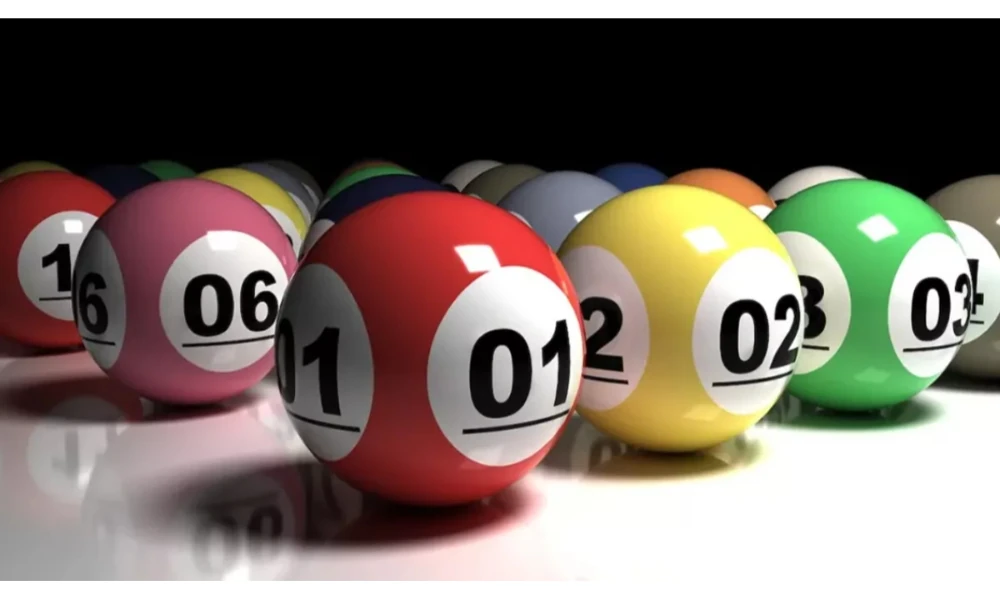
Online lottery participation attracts attention through large rewards, exciting draws, and opportunities to test personal number selections. A lottery jackpot can build anticipation as people follow prize announcements and winning results. Clear rules help individuals understand entry requirements before participating. Exploring prize opportunities through เว็บหวยลาว can help readers learn about available draws and different reward structures.
What Makes Jackpots Exciting?
Large prize amounts create interest because they represent significant financial possibilities. The chance of receiving a major reward encourages people to follow announced draws and understand how prizes are awarded. Clear prize details also help individuals compare available entry options before spending money.
How Do Prize Values Grow?
Prize values may increase when nobody wins the top reward during a scheduled draw. Depending on the rules, the unclaimed amount can carry forward into a later round. This process creates growing interest as the advertised total becomes larger.
- Unclaimed top rewards may increase subsequent advertised jackpots.
- Published draw schedules help people follow upcoming prize announcements.
- Official rules explain how accumulated amounts are distributed.
- Eligible entries determine who can claim awarded rewards.
- Prize summaries make comparisons between available draws easier.
Understanding these details allows individuals to assess advertised amounts with realistic expectations. Reviewing eligibility conditions also helps clarify whether a displayed reward represents a total jackpot or an individual payout.
Why Do Online Draws Attract Interest?
Online access allows individuals to review draw information through connected devices at convenient times. They can examine prize details, entry deadlines, and published results without depending on printed announcements. With หวยออนไลน์, individuals can discover available participation options and access relevant lottery information with ease.
What Shapes Jackpot Opportunities?
Different prize structures influence how rewards are divided among eligible winners. Some draws offer a single major award, while others distribute smaller amounts across several prize categories. Understanding these differences helps individuals identify the structure that matches their preferences and spending limits.
- Published jackpot totals show the advertised top reward.
- Prize categories explain possible payments for matching results.
- Entry costs help establish a personal spending limit.
- Draw conditions describe requirements for receiving awarded amounts.
- Claim deadlines clarify when winners must request payment.
A larger advertised jackpot does not automatically mean a greater chance of winning. Individuals should review the published odds whenever available and consider the cost of each entry. Setting a fixed entertainment budget helps maintain control while following scheduled draws.
How Can Participants Stay Informed?
Reliable information supports better decisions when evaluating prize opportunities. Individuals can check official announcements, review updated rules, and compare published results before entering a draw. Keeping personal spending records also makes it easier to understand how much money goes toward participation.
When advertised rewards attract attention, understanding the rules matters as much as knowing the prize amount. Comparing entry costs, checking eligibility, and reviewing payment procedures help individuals make decisions based on accurate information. Consistent budgeting also keeps spending manageable while preserving enjoyment. No prize is guaranteed, so participation should always remain within personal financial limits.
FAQ
What determines the size of a jackpot prize?
Prize rules and unclaimed rewards can influence advertised jackpot totals.
Can every entry receive the advertised top reward?
No, only entries meeting the winning conditions qualify for prizes.
Why should people review draw rules before participating?
Rules clarify entry costs, eligibility requirements, prize distribution, and claim deadlines.
